Research & Data Strategy
Building open-source AI tools and trainings that empower researchers, nonprofits, and public-interest organizations to do the most good.
Our Mission
Powerful AI tools are increasingly available to the public -- but the organizations doing the most important public-interest work often have the least capacity to evaluate, adopt, and integrate these tools responsibly. Open Augments exists to close that gap: we partner with expert practitioners to build rigorous, open-source AI tools that enhance and transform their core public-interest work, and we provide hands-on training and strategic consultation that gives researchers and organizations the skills and confidence to harness AI on their own terms, with human expertise always leading the way.
We are a mission-driven organization, guided by the conviction that both the tools and the know-how for conducting responsible, AI-augmented work should be widely available to anyone who would use them to help others. That in mind, we are committed to ensuring every tool is honed in close collaboration with real practitioner experts, every framework we create is open-source, and every educational resource is freely shared.
Our Values
The infrastructure to harness AI responsibly and effectively should be a public good for the benefit of all, not a competitive advantage.
We build tools and teach approaches that use AI to amplify and enhance what skilled and caring individuals can do. Every framework and lesson keeps expert humans central to the strategy, oversight, and decision-making where it counts.
AI-empowered work must always be accountable to the people it serves. Our non-negotiables: AI outputs must be auditable and reproducible, and every limitation must be honestly acknowledged.

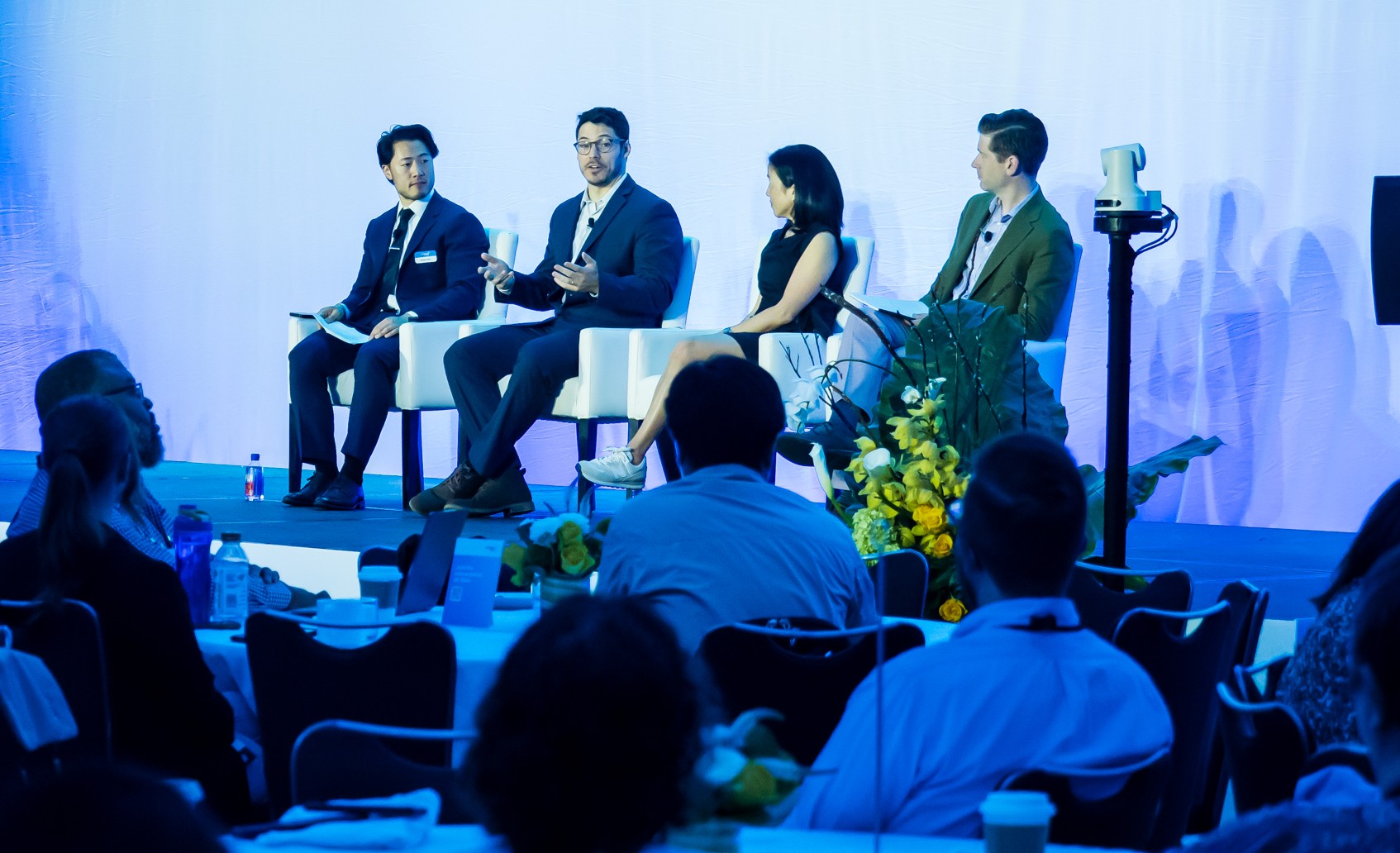
Training and tools trusted by leading institutions and organizations across sectors


Who We Work With
Faculty, staff, and students at universities seeking to integrate AI into quantitative research, teaching, and administrative workflows responsibly.
Teams building data capacity and exploring AI tools to better serve communities -- from direct service providers to national advocacy organizations.
Program officers and grantmakers evaluating AI opportunities across their portfolios, seeking strategic guidance on responsible adoption and investment.
Analysts, data scientists, and researchers looking for personalized coaching to deepen their AI practice anywhere from first steps to advanced orchestration.
Our Services
Different organizations need vastly different things to begin reaping the benefits of AI for their own mission-driven work. Open Augments offers two complementary bodies of services that keep your team's specific goals and needs at the heart of any collaboration:
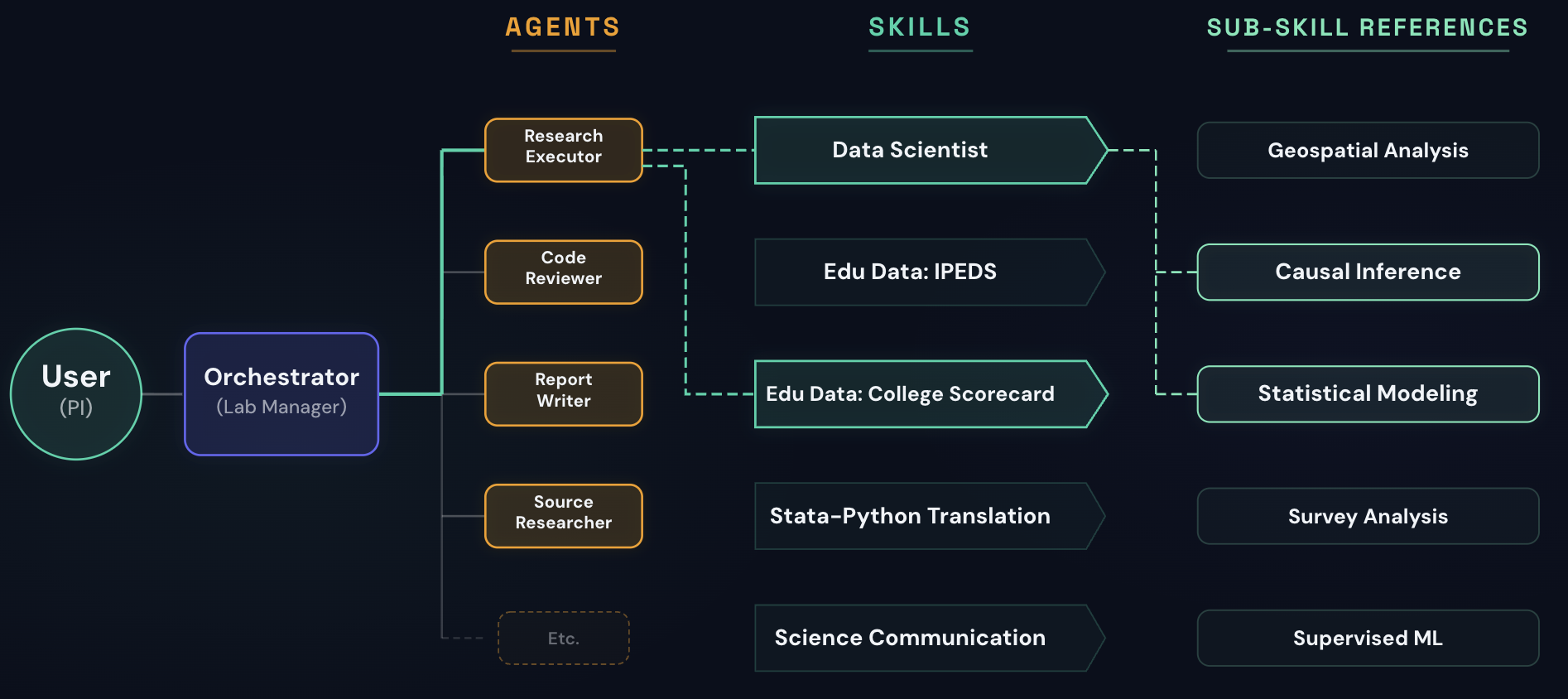
We work with organizations to co-develop rigorous, transparent tools that enhance and transform their core services and workflows -- and their fields more broadly. Projects typically follow a consistent arc:
Teach
We deliver practical, skills-based training that gives teams and organizations the confidence and capability to harness AI responsibly in their own work. We offer a variety of trainings and consulting, with each component working together to drive lasting, responsive impact:
Contact
We're booking engagements three to four months out. Whether you need AI tools built for your team, workshops for your organization, or strategic guidance on responsible AI adoption - reach out and we'll find the right timeline and format for your goals.
About
Brian Heseung Kim is a data scientist, educator, and education policy researcher specializing in open-source AI infrastructure for the public good. He holds a Ph.D. in Education Policy from the University of Virginia, with a focus on quantitative methods and education data science. He previously served as Director of Data Science, Research, and Analytics at The Common Application, where he led research initiatives and core infrastructural capacity and AI investments for the nation’s largest college applications data resource.
Brian’s research on college admissions -- including pioneering the careful and robust application of LLM-related tools to educational data as early as 2019 -- has been published in journals like Educational Researcher, American Educational Research Journal, and Education Finance and Policy, and covered by outlets like the Wall Street Journal, New York Times, Brookings Institution, and Bloomberg. His work has been generously supported by the NAEd/Spencer Dissertation Fellowship, Ascendium Foundation, Carnegie Corporation of New York, Fidelity Foundation, Institute of Education Sciences, and the Gates Foundation.