Trusted by leading institutions and organizations
A selection of universities, foundations, research organizations, and professional societies we're supporting through workshops, presentations, and consulting engagements:




Workshops & Consulting
We work directly with executive leaders, teams, researchers, and organizations to build critical AI awareness grounded in rigor, transparency, and real-world applications.
A selection of universities, foundations, research organizations, and professional societies we're supporting through workshops, presentations, and consulting engagements:
Our Approach
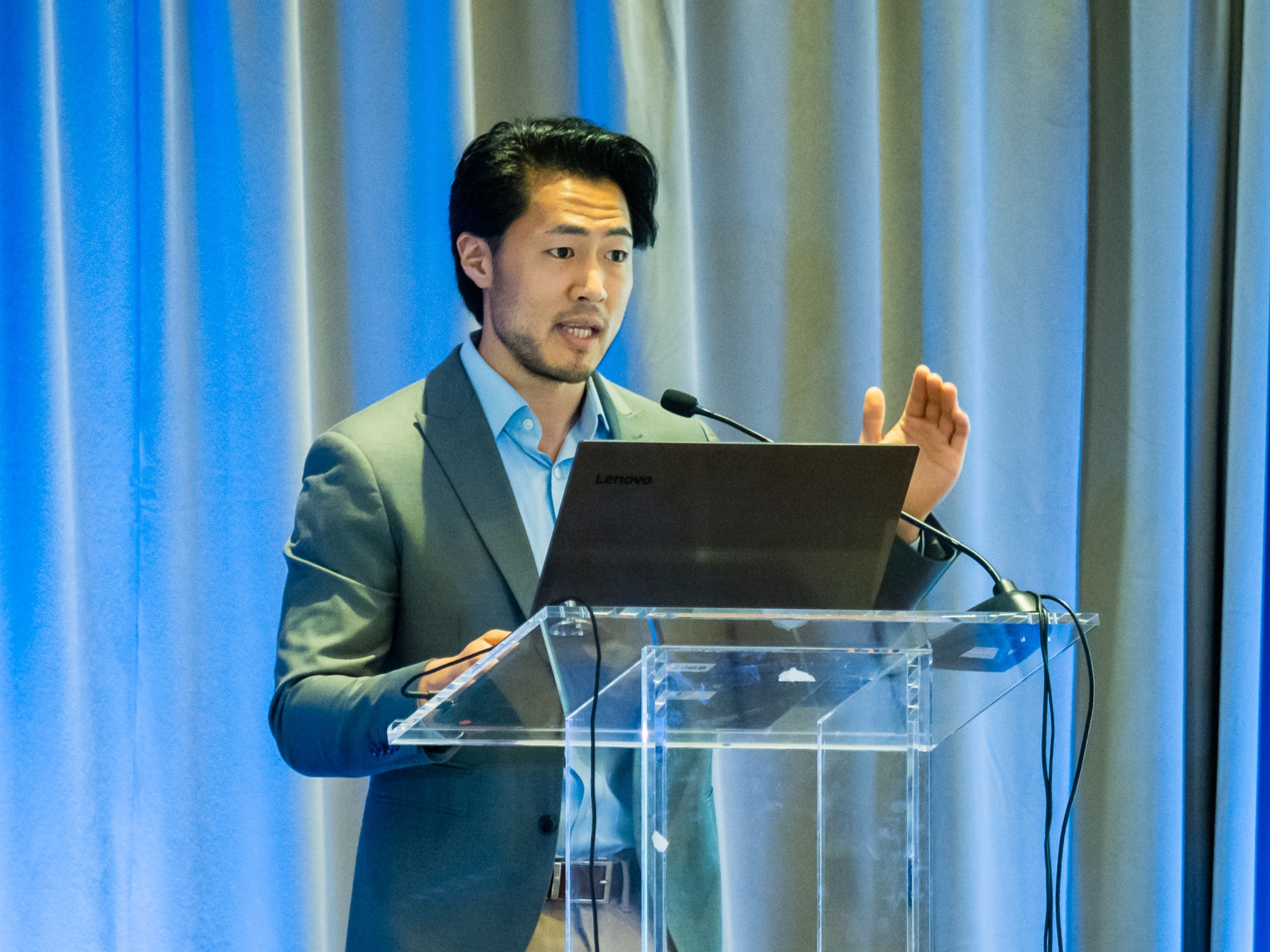
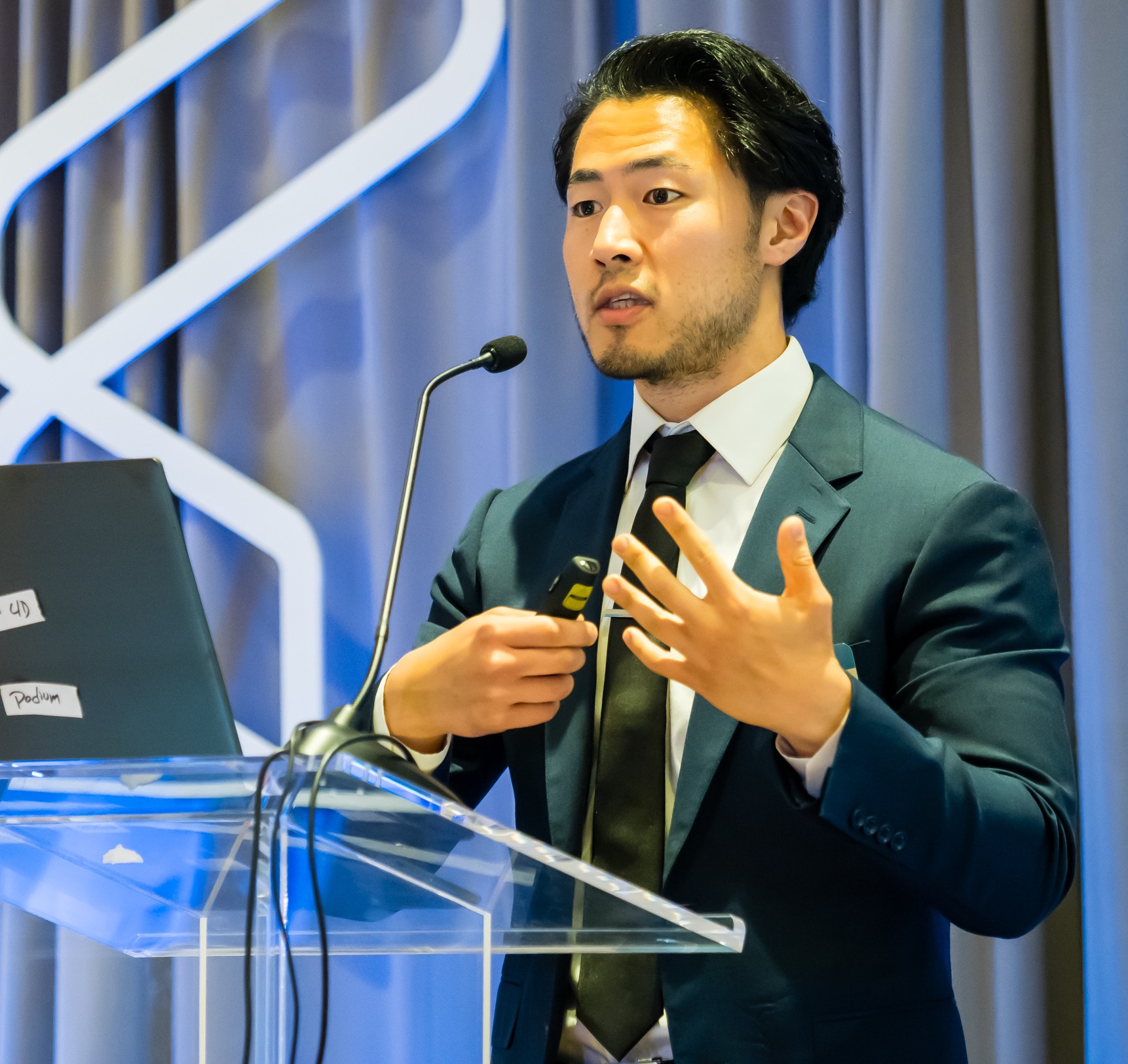
Brian brings years of direct, hands-on work with large language models and their predecessors dating back as early as 2019: through his Ph.D. studies pioneering the use of data science and machine learning techniques in the education policy field, as the Director of Data Science and Research for a national non-profit organization, and now as the developer of advanced agentic AI orchestration systems like DAAF for non-profits and researchers.
In every engagement, Brian distills this deep set of experiences through the lens of his formal pedagogical training and classroom teaching experience to craft highly responsive, approachable, and actionable guidance that meets clients exactly where they are -- and to build durable understandings that extend well beyond any single tool, project, or trend.
The end result: We help leaders, researchers, and teams build the critical intuition to evaluate these tools honestly, deploy them responsibly, and adapt as the landscape inevitably shifts, empowering more organizations and leaders to thrive in this rapidly changing era of AI.
What We Offer
High-level executive consulting to support strategic planning around AI/data investments, change management, and organizational mission redesigns in this rapidly changing era of AI.
Larger group sessions with hands-on components that deepen AI skill and tool adoption across your team or organization, wherever they are along the AI adoption spectrum.
Smaller group sessions to co-design applications of AI in a specific team or project context for maximum efficacy, rigor, and sustainability.
One-on-one coaching to push individuals further along the AI skill and adoption spectrum, all the way from just starting out to designing and testing advanced AI orchestration workflows and systems.
Free & Self-Paced
Everything we teach in our tailored workshops, distilled into a free, self-paced curriculum: structured lessons, hands-on practice in the Context Gym, and a clear path from AI fundamentals to advanced workflows. For free, forever, for everyone -- no booking required!
Explore the AI AcademyWhat Our Clients Say
That was the most productive hour I have ever spent on AI education... hands-on ideas pitched at a level that perfectly threaded the needle of generic (/generalizable) and concrete with respect to the work we do.
...this explanation of siloing short term contexts for different skills completely shifted my paradigm and will make AI a far more useful tool for me in the future.
This was the first AI workshop I've attended where I left feeling empowered to expand my AI use in research tasks.
...multiple faculty members have approached me with overwhelmingly positive feedback... Several also wanted to inquire about the possibility of [Brian] offering additional office hours
Let's do more sessions with Brian. He was super approachable and easy to follow.
It was helpful to know the "what" behind the "why"... the incremental approach is something that I believe is necessary. Many people think it's all or nothing, but I am a fan of the 1% each day kind of approach.
Topics We Cover
Core mental models and techniques that underpin effective AI use
A foundational mental model of what AI tools are doing mechanically when they generate text or analysis -- the basis for developing robust intuitions about when and how to use them effectively.
The core discipline of structuring prompts, providing the right files and context, and managing token budgets to get reliable, high-quality AI outputs consistently.
Hands-on skills for building, orchestrating, and refining AI workflows
Designing, testing, and continuously improving modular AI workflows ("Agent Skills") that codify best practices into repeatable, shareable templates your team can build on.
How orchestrator agents modularize and distribute tasks across parallel subagents -- and how to navigate the tension between greater automation and maintaining auditability.
Using AI to help design and improve the instruction systems that govern its own behavior -- the meta-skill of building better AI frameworks with AI assistance.
Chat logging, structured testing, and systematic evaluation techniques to identify what's working, diagnose what isn't, and make AI workflows more reproducible and iterable over time.
Seeing AI systems as distinct, interacting layers -- the model itself, the "harness" that runs it, and the frameworks you build on top -- to design workflows around each layer's real capabilities and limits.
Small programs that enforce your rules automatically -- blocking unsafe actions, monitoring sessions, and maintaining audit trails -- rather than just asking the AI to follow instructions.
Applying AI responsibly to research, organizational missions, and leadership decisions
Enhancing quantitative research with DAAF -- from data cleaning and exploration to statistical modeling -- while strictly enforcing transparency, reproducibility, and rigor.
Frameworks for evaluating AI outputs, understanding limitations, maintaining reproducibility, and meeting emerging disclosure and accountability standards in research contexts.
Executive-level guidance on evaluating AI opportunities, prioritizing data and AI investments, and developing strategic roadmaps aligned with organizational mission.
Navigating the human side of AI integration -- building buy-in across leadership and staff, designing phased adoption strategies, and creating sustainable practices at every level of readiness.
Sample workshops
AI assistants are increasingly capable -- but they can also hallucinate, produce unverifiable output, and confidently present wrong answers as fact. This creates a real tension: the tools are becoming too useful to ignore, but remain too unreliable to trust by definition. In this workshop, we'll introduce a foundational mental model of how these tools actually work -- what they're doing mechanically when they generate text or analysis -- so attendees can operate with a robust intuition for how to use AI in their workflows more reliably and responsibly. Attendees will learn a core set of best practices to get higher-quality AI assisted work, practice developing their own reusable AI workflows ("Agent Skills") that can be continuously improved over time, and learn how to deepen their practice from this foundational starting point with self-study and additional curated resources. This workshop will also introduce core AI concepts like Agents, Skills, context window management, Tools, and token usage management.
Even with a strong grasp of how LLMs work, using them well requires a great deal of effort and intention. Getting reliable output means carefully structuring many prompts, providing the right context and files, checking results, and then repeating the whole process again for each task -- and small errors compound quickly across multi-step work. This workshop introduces attendees to the more scalable approach of "agent orchestration." Instead of directly overseeing all tasks in one sustained conversation with an assistant, attendees will learn how to leverage an "orchestrator" agent that modularizes and distributes tasks across multiple parallel assistants ("subagents") on their behalf. Through hands-on exercises, attendees will practice launching, supervising, and critically reviewing this style of multi-agent workflow themselves -- using the Data Analyst Augmentation Framework (DAAF), an open-source research orchestration framework built on Claude Code, as a concrete exemplar of these practices. Throughout, the workshop helps attendees navigate the tension between greater automation and auditability while firmly staying in control of the decisions that matter most.
Once attendees can leverage AI orchestration frameworks, the core question of practice shifts from "how do I do this task?" to "how do I do this task most effectively and efficiently?" This workshop teaches the deeper mechanics that answer that question. Attendees will learn to see their AI systems as three distinct and interacting layers -- the model itself, the "harness" that runs it (like Claude Code), and the custom frameworks they build on top -- and how understanding each layer unlocks more capable, more reliable workflow designs. From there, we cover "hooks" (small programs that enforce your rules automatically, rather than just asking the AI to follow them) and "architectural prompting" (using AI to help design and improve the instruction systems that govern its own behavior). A real-world case study then shows how these techniques combine to creatively work around even hard model limitations. The session closes with a design clinic applying these expanded design principles to attendees' own problems -- moving attendees from users of these frameworks to confident architects of systems they can trust.
AI agents can now autonomously plan, write, review, and execute analytic code, raising urgent questions about their role in research given known risks like hallucinations and inaccuracies. This session provides researchers with an approachable framework for realizing the benefits of AI agents for more complex research workflows, while mitigating their very real risks, using DAAF: an open-source set of tools for Claude Code designed to enhance and support data analysis while strictly enforcing transparency, reproducibility, and rigor. In addition to building familiarity with how to use and extend DAAF for their own purposes, attendees will leave with a strong understanding of the pros and cons of current AI agent frameworks for data analysis workflows, the main design considerations involved in robust "context engineering" practices, what these tools currently can and cannot do, as well as the intuition needed to evaluate their appropriateness for their own work.
Just as AI tools are rapidly reshaping what it means to practice data science and statistics, so too are they reshaping what it means to teach data science and statistics. Professors and instructors are now faced with an extremely difficult challenge: How can you redesign your curriculum to respond to the expanding role of AI in students' lives without knowing what kinds of jobs and careers will exist for them in the future? What skills and topics and experiences will be valuable for students beyond just the next few months? This workshop brings faculty together to work through those design tensions directly. We'll introduce practical heuristics for distinguishing "durable" skills in the era of AI, explore targeted opportunities to modernize curricula and assignments without abandoning the conceptual depth that makes graduates genuinely capable, and develop a more informed critical lens for evaluating AI developments as they continue to emerge. Participants come having pre-identified core "problems of practice" from reviewing their syllabi for the upcoming semester, so that the session's facilitated discussions center on real design tensions rather than hypotheticals -- questions like what trade-offs exist between productive struggle and AI assistance in the classroom, what role assessment should play when students can generate plausible-looking work effortlessly, and what opportunities AI presents for richer course materials and activities. Attendees will leave with concrete strategies for more agile curriculum adaptation and a stronger framework for making principled instructional decisions as the landscape continues to shift.
Work With Us
Our calendar is fully committed for the next few months, but we're still actively booking engagements three to four months out. Whether you need strategic consulting, team workshops, project advising, or individual coaching, reach out now and we'll find the right fit for your timeline and goals.